The Story of Playa Grande, Costa Rica
GEOGRAPHY · TURTLES · A COMMUNITY THAT SAID NO
The Last Quiet Beach Town in Guanacaste
For decades, travelers flew into Liberia and continued south toward louder names: Tamarindo, Flamingo, Coco, Nosara.
Meanwhile, Playa Grande remained strangely overlooked.
Which is surprising.
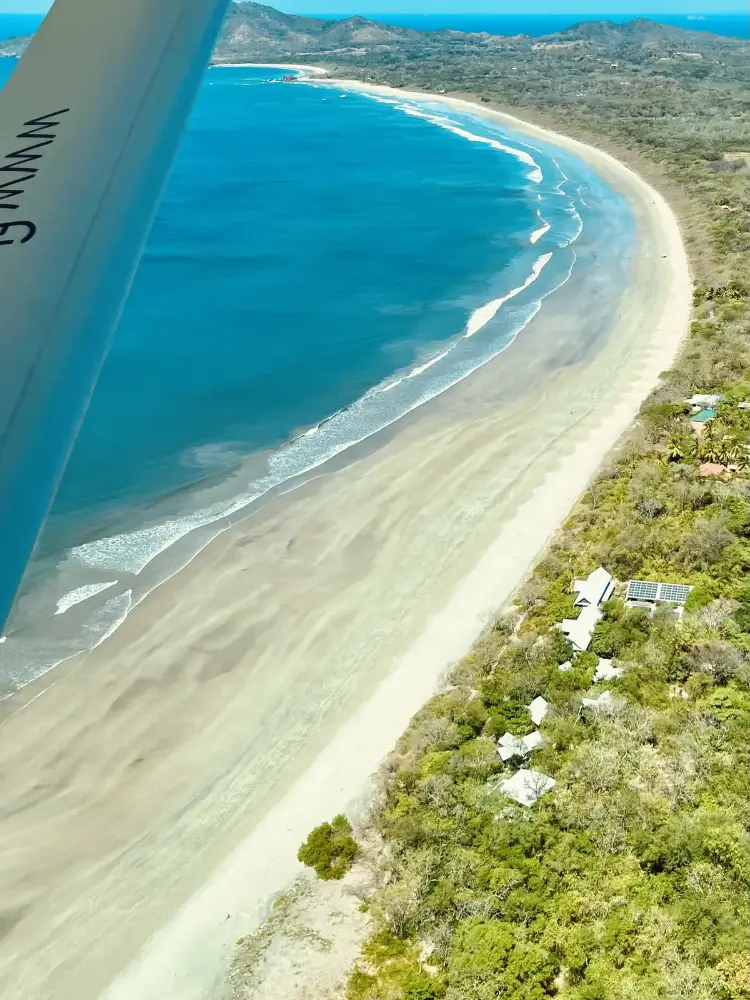
Playa Grande sits remarkably close to Liberia International Airport, offers one of the longest and most beautiful stretches of beach on Costa Rica’s Pacific coast, world-class surf, protected estuaries, and direct access to extraordinary nature.
So why was it forgotten?
Geography Protected It
Most beach towns in Guanacaste expanded rapidly because development was easy.
Playa Grande was different.
The community sits beside protected national parkland and environmentally sensitive coastal zones tied to the leatherback turtle nesting grounds. Strict environmental controls limited aggressive expansion, large hotel density, high-rise construction, and uncontrolled commercialization.
Access Used To Feel More Remote
Modern roads, better navigation tools, international tourism growth, and the expansion of Liberia Airport transformed accessibility throughout Guanacaste.
Today, visitors can land at Liberia Airport and reach Playa Grande in roughly one hour — while still arriving somewhere that feels disconnected from the density of mainstream resort towns.
That combination is increasingly rare.
Why Playa Grande Will Never Become “Another Tamarindo”
This is one of the most important things visitors should understand.
Playa Grande is not designed for endless expansion.
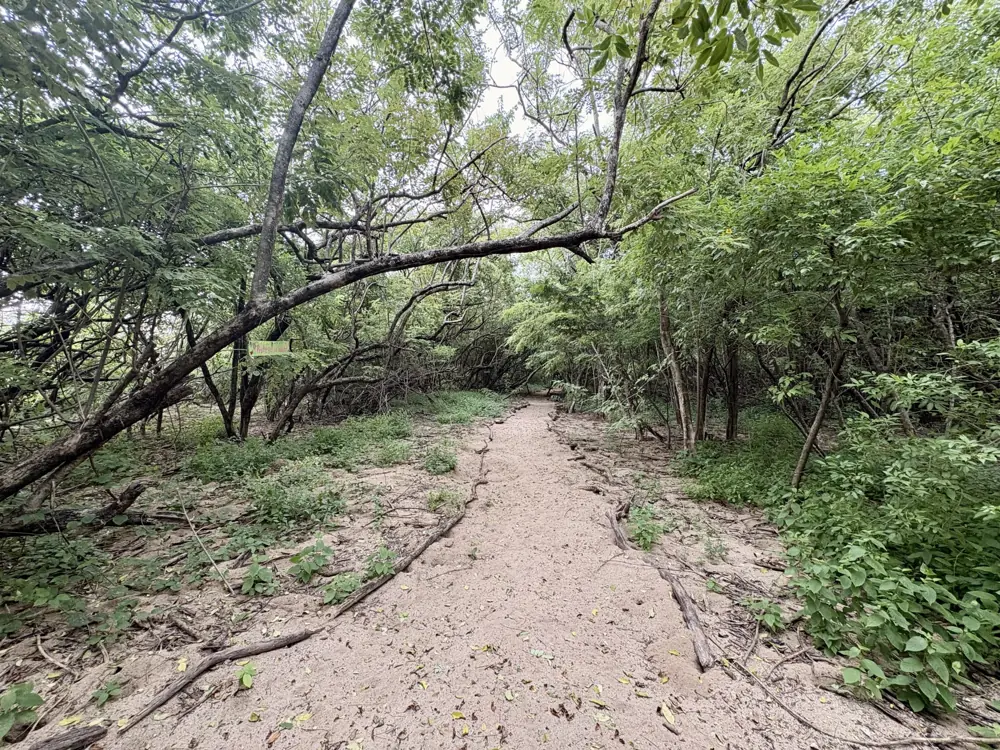
There is simply not enough developable land for massive resort corridors, dense condominium towers, or uncontrolled urban sprawl.
The geography prevents it.
The environmental protections prevent it.
And, the community resists it.
Playa Grande or Tamarindo?
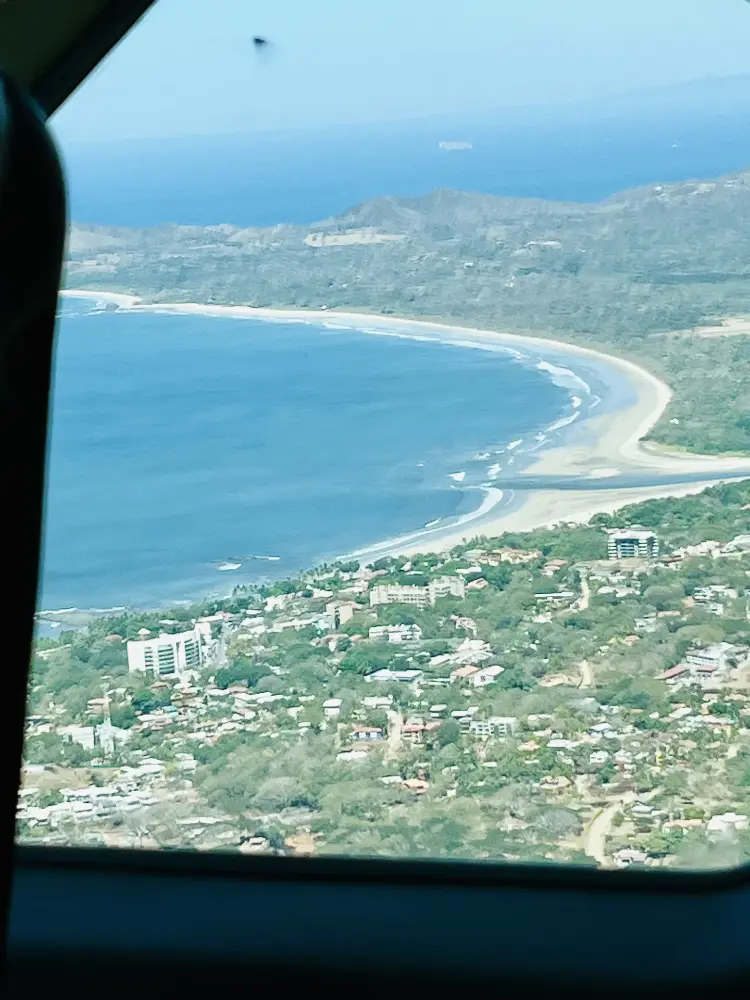
Two very different beaches, facing each other across the estuary. Here is how they compare, so you can pick the one that fits your trip.
You don’t have to choose just one. The water taxi crosses the estuary in about a minute, and the drive is under 30 minutes. Many visitors sleep in Playa Grande and head to Tamarindo for a dinner or a night out.
Playa Grande suits you if…
you want space, nature, good surf and quiet nights, and don’t need shops on your doorstep.
Tamarindo suits you if…
you want restaurants, shopping and a lively evening scene within walking distance.
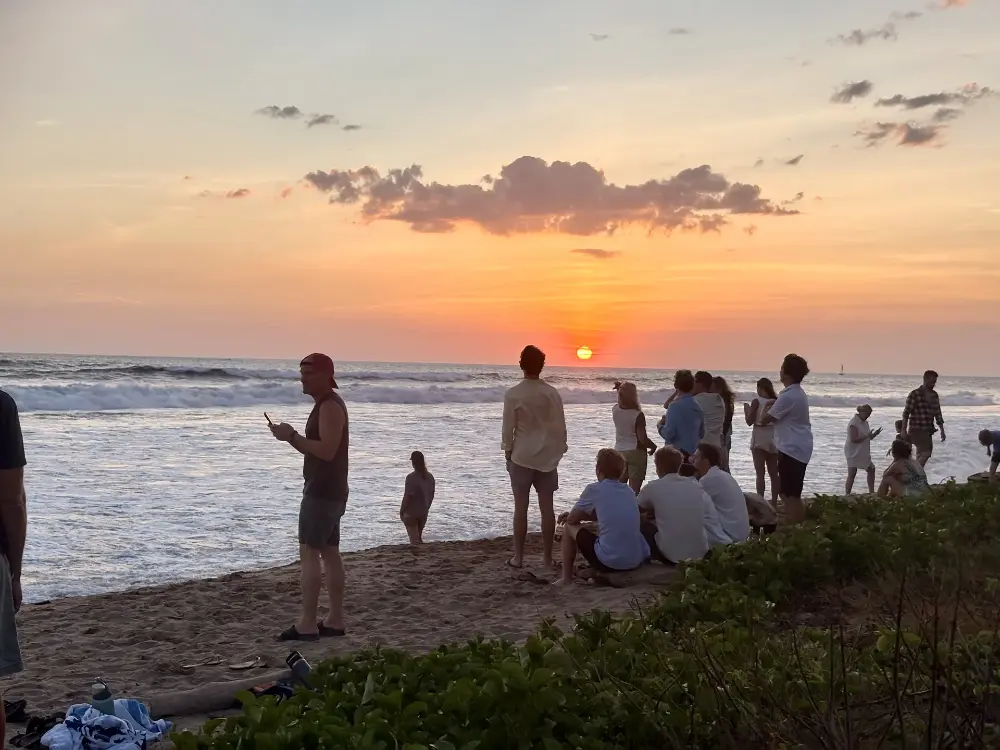
So, come and experience the real essence of Costa Rica.
Quiet beaches, leatherback turtles, world-class surf, and a community that intends to keep it this way.